| M | T | W | T | F | S | S |
|---|---|---|---|---|---|---|
| « Sep | ||||||
| 1 | 2 | 3 | 4 | 5 | ||
| 6 | 7 | 8 | 9 | 10 | 11 | 12 |
| 13 | 14 | 15 | 16 | 17 | 18 | 19 |
| 20 | 21 | 22 | 23 | 24 | 25 | 26 |
| 27 | 28 | 29 | 30 | 31 | ||
- News & Media (2)
- Tips & FAQs (11)
- Wine Tastings (11)
- Winery Visits (1)
- 12. September 2008: "What is the best way to preserve an open bottle of wine bottle"
- 12. August 2008: Oregon Pinots: Plenty of Personality
- 1. July 2008: Sadie Family Wines Tasting
- 9. June 2008: What are Rosé wines and how are they made?
- 25. May 2008: Great Match: Wine & Tapas 08
- 12. May 2008: E. Guigal Tasting at Mesa Grill
- 22. April 2008: Wine ratings & personal preferences
- 9. April 2008: Wing Lei Blind Tasting
- 8. April 2008: The last Grape Nutz at SWS
- 18. March 2008: George M. Taber lecture: “To Cork or Not to Cork”
Blogroll
“What is the best way to preserve an open bottle of wine bottle”
12. September 2008 by Sebastien Gavillet.
This is a question I have often answered but never really written about.
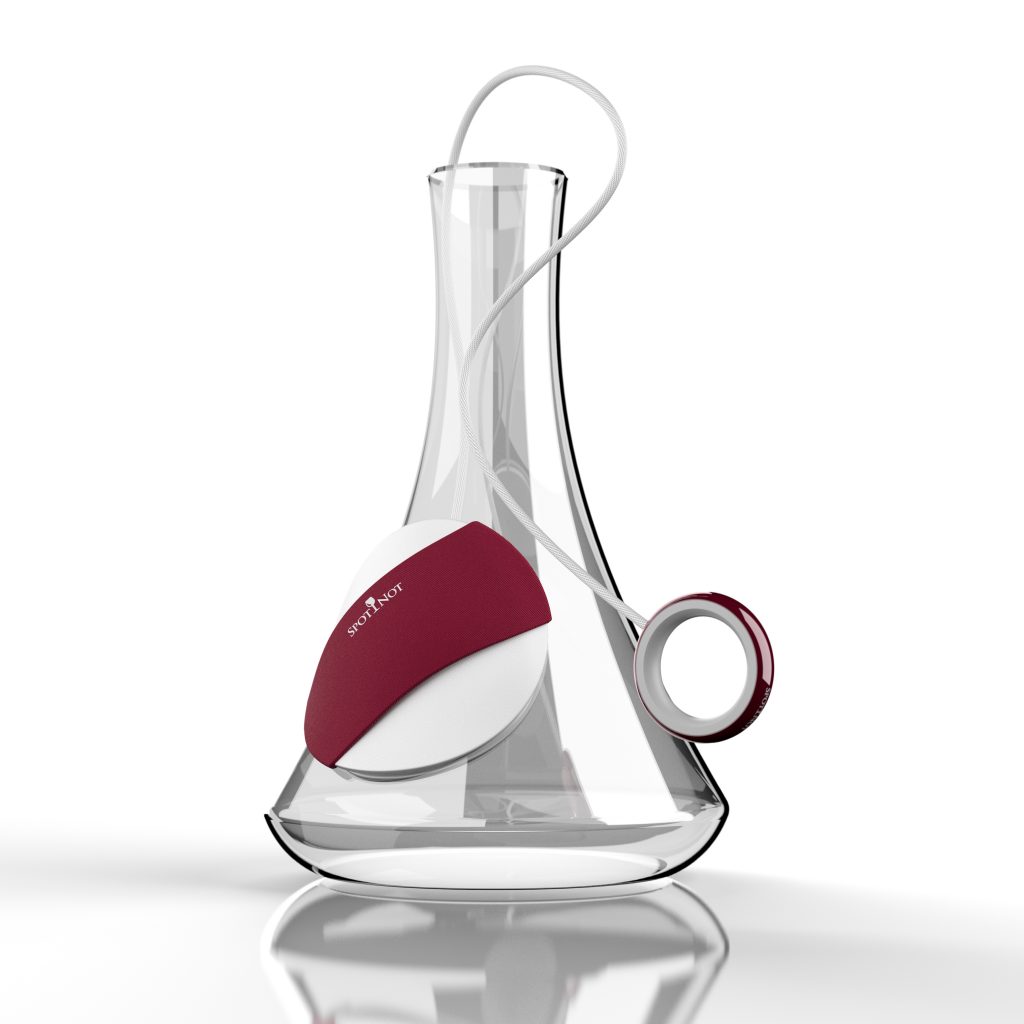
In today’s market, there are several gadgets out there to help preserve an open wine bottle. The most common of all is probably Vacuvin’s products. Place their vacuum stopper on the bottle and pump out the air. A vacuum is created inside the bottle and therefore the oxidation process is “halted or reduced”.
There are also the inert gas versions, where you replace the air in the bottle with an inert gas. The gas being heavier than air, replaces the air in the bottle, “blanketing” the wine. Put the cork back on and you are set. I know some of you are thinking I do not wish to purchase an expensive machine to preserve my wines. Well I have news for you; inert gas is probably the cheapest way to preserve wine. You do not need to buy a refrigerated inert gas dispenser! For $9.95, you can buy a can of Private Preserve (“the original inert gas preserver”) and get up to 120 uses! You can not only use it for wines, but ports, whiskies, olive oils and any other products stored in a bottle. It is so convenient and inexpensive. This is what I personally use. I am a firm believer that sucking out the air from the wine by creating a vacuum seal is only good for a day or two. The air eventually makes it way back in. Furthermore, it is believed that vacuuming the air out of the bottle also sucks out the bouquet/aromas from the wine when used repetitively on the same bottle. Finally, the stoppers need to be replaced once a year to keep their efficiency. That is why I made the switch to the inert gas. Have you ever tried to drink a whole bottle of an older sauterne by yourself? Nor have I. And as it is a wine that I do not drink all that often, I like to preserve it.
Well how long may one preserve a wine which has already been opened? For a long period of time. Some of my bottles have been open for months and preserved with inert gas. Oh one word of advice, make sure the cork you use does not breathe. If you put your cork screw all the way thru the cork, you can be sure that air will seep in. So keep that in mind.
For under $10 buck, only a “tête de mule” would not give Private Preserve a try!
Cheers!
Posted in Tips & FAQs | Print | No Comments »
Oregon Pinots: Plenty of Personality
12. August 2008 by Agi Toth D.W.S..
Finally! My chance to go to Oregon Pinot Camp had arrived. “Camp?” My friends’ incredulous faces stare back at me. “Your work takes you to Oregon to drink wine for four days?” Well…..when you come right down to it, yes! Every year 50 of Oregon’s wineries band together and invite over 250 wine/hospitality professionals to explore Oregon wine country.
In the last thirty years, Oregon’s Pinot Noirs have gone from being unknown to receiving international acclaim from industry professionals. Wine lovers who had previously only stocked Burgundies in their cellars are now adding pinots produced from grapes grown in Willamette Valley, Dundee Hills, and Yamhill County.
We participated in six workshops ranging from the history of Oregon winemaking to exploring vintages and styles as well as discussions and tastings of Oregon’s white wines. Winemakers took us to their vineyards to discuss Terroir. You know, there’s nothing like squeezing dirt clods (oops, excuse my indelicate faux pas.. shall I say soil samples…?) to really understand the difference between sedimentary and volcanic-based earth.
The star of the show? Pinot Noir, bien sûre (of course). That persistently persnickety grape which perpetually puzzles and perplexes even the most devoted winegrower. In order to make that wonderfully elegant and silky wine we call pinot, our growers of the vine dedicate their lives to combating this thin-skinned grape’s proneness to rot. They will stay up at all hours of the night zipping through their plots tasting, chewing, spitting and tasting again until the grapes finally whisper to their caretakers that they have achieved full ripeness and the moment has arrived to begin harvest.
The Pinot tastings focused on the 2006 vintage, a year that pleased many winemakers and yielded high quality fruit. It is clear that winemakers strive to produce wines true to pinot’s varietal characteristics. Though the wines are very young, they display a variety of aromas and flavors ranging from bright fresh red berries to riper, dark blackberries and plum. The various uses of oak were apparent and wines ranged from the more subtle flavors in Domain Drouhin’s elegant pinots to the fuller-bodied, spicier versions expressing more cedar, vanilla and tobacco from Panther Creek and Witness Tree. As a group Oregon pinots display a mouthwatering acidity, firm tannins, fruit complexity and a lengthy finish which are all important elements of quality and agreeability.
As for the whites pinot gris is the reigning queen; her wines are deliciously crisp, clean, refreshing and can accompany many a dish (gee, why do I have this sudden craving for seared scallops, asparagus.. but, I digress..). Winemakers are being creative and experimenting with other varietals such as Chardonnay. A wonderfully refreshing example is Soter/Argyles’s sparkling Blanc de Blanc. Ponzi Winery makes a lovely arneis and others are dabbling with more aromatic varietals such as Riesling and Gewürztraminer.
How could the French not be attracted to this region? French owned Willakenzie Winery had fun in mind when producing their Plaisir à Trois, a unique blend of Pinot Noir, Pinot Meunier and Gamay Noir.
As we floated over the vineyards of Oregon in our hot air balloon one morning (mais, oui..) my thoughts took me to the winemakers. Though they have looked to Burgundy for inspiration, their goal is to focus on discovering their own style and unique expression of Terroir to the world. Praise for Oregon, a picture of powerful potential for people with a predisposition for particular pinots.
Posted in Winery Visits | Print | No Comments »
Sadie Family Wines Tasting
1. July 2008 by Sebastien Gavillet.
In April, I met with Eben Sadie, winemaker for the Sadie Family at a presentation he was giving in Las Vegas at Aquanox.
Eben was presenting his new releases, from South Africa and Spain.
For those whom are not familiar with the Eben Sadie, he grows and makes most of his wine naturally. Self sustained viticulture (no watering), uses mules to plow, hand picks all the grapes and does not use sulfates to make the wine. Eben believes that the most important component in winemaking is the grape itself. The rest is secondary.
Now let’s get to the wine:
Sequillo 2005 South African Red Wine from Swartland region made of a blend of Syrah (68%), Mourvedre (26%), and Grenache (6%).
Bright, deep ruby color, resembles a Rhone wine from the Vaqueras region, with aromas of cherry, blackcurrant, blackberry, prune, thyme, leather and cedar. Some minerality with acidity on the plus side.
Elegant and surprisingly smooth finish for a wine which I expected to be much more tannic.
Columella 2005, South African Red Wine from Swartland region made of a blend of Syrah (80%), Mourvedre (20%). All grapes are berry selected!
Dark ruby/purple color, with aromas of blackcurrant, morello cherry, prune, cedar or wood box cigar, tobacco, leather, and a herbal note maybe eucalyptus. Some minerality, medium acidity, tannins on the plus side. This wine should age beautifully. Oh I forgot to mention that this is the only South African wine to ever get 95 points on WS (Wine Spectator).
Terroir Al Limit, 2005, Spanish red wine, Priorat region, my favorite of the Spanish selection. A blend of Carrigan and Grenache varietals.
With aromas of young red fruits (raspberry, redcurrant), Mon Cheri (liquor infused cherry covered with chocolate), dark chocolate, prune, smoke with a hint of woody spice.
Good balance, well structured wine.
Next blog will be about Domaine Dujac and Jeremy Dujac’s visit to Deluca Wine & Liquor.
Cheers!
Posted in Wine Tastings | Print | No Comments »
What are Rosé wines and how are they made?
9. June 2008 by Sebastien Gavillet.
I was asked this question today by my son and I thought it would make a worthy subject to write about, especially that it is during summer month’s that one enjoys rosés the most.
Rosé wines are made of red grape varietals with the exception of rosé Champagne or rosé Sparkling Wines, which is also made with white grape varietals. I say varietals because chardonnay is not the only white grape used to make sparkling wines.
However, there are some winemakers who add a little white wine to make a blend of their own in their still wine rosé. But this is not common practice.
About rosé wines:
The major difference is characteristic of rosé wines is that old world rosé tends to be more bone-dry as to the new world rosé, especially Californian rosé which is can be almost sweet with very similar characteristics as that of white wines. It is however important to note that today some Californian rosés winemakers make a fruity, elegant and almost bone-dry rosé wines, resembling those of the old world. Sophia, by Coppola is such a wine.
TIP: It is important to know that one should drink rosés still wines young. 1-3 years of age. A good Rosés Champagnes with some age can be a real delight.
So how is rosé made?
Well there are several ways to make rosé wines. The four which are most commonly used are often explained erroneously on the internet, worse even on some og the top ranked sites! I love the internet but it has become as big of an information highway as a disinformation highway. This is one of the reasons I started to blog. To try to inform you correctly. Anyway back to topic. The four approaches to making a rosé wine are bleeding, pressing, limited maceration and run off.
-Saignée or bleeding which makes the best quality rosés are made from the juice which was extracted by stacking the grapes up in a tank and letting the grapes own weight do the crushing. As the juice is in contact for a very short time with the skins, the color obtained by this technique is very pale, such as Gris de Bourgogne or a Rose from the Loire Valley. The wines are rich, fruity and have great freshness.
-Pressé or pressed is the technique of pressing the red grapes until the juice has the desired color. Once the color is reached, the winemaker stops the pressing. Only the juice pressed is used to make rosé.
-Limited maceration is the most common technique used in the making of rosé wines. They (the grapes or the skins more specifically) are left in contact with the juice until the winemaker decides that he/she is happy with the color and than transfers the “wine” minus the skins to another tank to finish the fermentation process.
-Finally, the run off style is the process in which the winemaker removes the juice from the tank during the fermentation process of red wine and uses that juice to make the rose wine. This results in making the red wine left in the vat more intense/dark in color and a so-so rose in my opinion.
FYI: typical Provence rosé wines are mostly made using the same local blends as that of red wines. They are mostly made with Grenache and Cinsault varietals but are also known to be made from Mourvedre.
For my aroma hunters, the typical aromas found in rosé Wines from Provence region (Côtes de Provence, Côteaux d’Aix-en-Provence, les Baux-de Provence, Bandol, Cassis, Bellet, and Palette) are grapefruit, banana, strawberry, raspberry, redcurrant, almond, linden, cut hay…
If you wish to try a typical rosé from Provence, I recommend you “Mas du Fadan”, Côte de Ventoux, 2007.
Oh by the way a great bottle of rosé should not cost you more than $20-$25 unless it is Rosé Champagne!
Cheers!
Posted in Tips & FAQs | Print | No Comments »
Great Match: Wine & Tapas 08
25. May 2008 by Sebastien Gavillet.
This was the 15th annual Great Match; Wine and Tapas, which previewed more than 250 wines Spanish wines, representing large variety of Spain’s 67 denominations (DO). This tasting was exclusively open to food/wine professionals and to the press, giving them a first-hand look at the latest wines from Spain. This event was extremely well organized and I already look forward to next year’s event.
As you can imagine, I did not sample all of the 250 wines. I narrowed my selection to about 100 wines, which were either recommended to me by my peers or which I had read reviews about.
From the moment I started the tasting till the time I left to attend another tasting (Moet & Chandon at the all new Trump International Hotel & Tower, Las Vegas), almost 5 hours had passed. It gave me plenty of time to talk with the Spanish wine representatives and winemakers.
Now let’s talk about wine: I will not go in detailed analysis of the wines I tasted as it would take days for me to do so; however you are welcome to contact me should you wish to know about a particular wine. Instead, I am categorizing them into wine types, my personal favorites in NO PARTICULAR ORDER. All wines listed are wine I am considering to buy for my personal consumption and will recommend to my clients. There will also be a section called “Funky Aromas” which will feature a list of wines with very “different/unique” aromas.
The MSRP below was provided to me at the tasting by Great Match.
Cava (sparkling):
Mont Ferrant, Blanes Nature, 2003, Do Cava, MSRP $19.99
White Wines: (Albarino wines are to be drunk young or they will lose their appeal. 2-3 years at most.)
- Terra Firme, 2007, DO Rias Baixas, 100% Albarino, MSRP: $55.00
- Albarino Santiago Roma, 2006, DO Rias Baixas, 100% Albarino, MSRP: $55.00 (note: Unique style; handpicked, grapes are cryo freezed to delay fermentation process, malolactic fermentation cut at 70% via temp. control, ages 3 month on its lees and finishes the fermentation process once bottled. No Oak.)
- Paco y Lola, 2007, DO Rias Baixas, 100% Albarino, MSRP: $55.00 (note: Most refreshing, crisp and well rounded Albarino I ever had. Only 30% of the best harvested grapes are used to make this wine. Plenty of floral aromas, good acidity and no oak. Can’t wait to have this wine again with Asian Cuisine or just to sip on my patio.)
Rose Wine:
- Gran Feudo Rosado, 2007, Bodefas Julian Chivite, Navarra, Grenache, MSRP: $19.00
Red Wines:
- Montecastro y La Planeta 2002, DO Ribera del Duero, 100% Tinto Fino (local Tempranillo), MSRP: $55.00
- Pasanau Finca La Planeta 2002, DOCa, Priorat, 80% Cab. Sauvignon, 20% Grenache, MSRP: $60.00
- Finca Antigua Crianza, 2004, DO La Mancha, Tempranillo Blend, MSRP: $15.00
- Mascun, 2005, Bodegas Osca, DO Somontano, 100% Syrah, MSRP: $25.00
- Matamangos, 2003, Agricolas Santa Rosa, DO Almansa, Blend of Garnache/Monastrell, MSRP: $29.00
- Fra Guerau, 2003, DO Montsant, Grenache/Syrah, MSRP: $15.00
- Rento, 2003, Grupo Matarromera, DO Ribera del Duero, Tinto Fino (local Tempranillo), MSRP: $75.00
- Val de los Frailes, 2003, DO Cigales, Fino (local Tempranillo), MSRP $70.00
- Campo Viejo Reserva, 2005, Juan Alcorta, DO Rioja, 75% Tempranillo, 15% Graciano, 10% Mazuelo (Carignan) MSRP: $12.99
- Ysios, 2001, DO Rioja, Tempranillo, MSRP; $29.99
- Navarro Lopez Old Vines Crianza, 2002, DO Valdepenas, Tempranillo, MSRP: $12.99
- Rentas de Fincas, 2003, DO Rioja, Tempranillo, MSRP : $14.00
- Earth 2.0, 2003, DO Navarra, 50% temp. 50% Merlot, MSRP : $21.00
Dessert Wines:
- Seleccion Especial, Jorge Ordonez, 2005, DO Malaga, (Muscatel), MSRP: 20.00
- Don PX Gran Reserva 1979, Bodegas Toro Albala, DO Montilla-Moriles, Pedro Ximenez, MSRP: $60.00
- Sandeman, Character Medium Dry Amontillado, DO Jerez-Xeres-Sherry, Palomino Fino and a hint of Pedro Ximenez, MSRP: 19.00
- Lustau Peninsula Palo Cortado, Emilio Lustau, DO Jerez-Xeres-Sherry, Palomino Fino, MSRP: 21.00
- Sandeman, Royal Esmeralda Amontillado VOS Sherry, DO Jerez-Xeres-Sherry, Palomino, MSRP: 22.00
- Donecq Venerable, Vintage 30 years, DO Jerez-Xeres-Sherry, Pedro Ximenez, MSRP: 45.00
Funky Aromas:
- Protos Verdejo 2007, DO Rueda (white), MSRP: $12.00 has not only floral aromas as expected but some funky arm pit like aromas too, making this wine my funky pick of the tastings.
- Don Olegario Albarino 2005 (white), DO Rias Baixas, MSRP: $22.00 has a chimney like taste/aromas all over it. Similar to what you find in a Haut Brion blanc, even though the wine characteristics are completely different. Worth the experience.
Looking to build up your wine collection or to start one? Most Spanish Red wines, especially Sherries age very well. I recommend that you slowly start stocking up on a few cases of Spanish wines before they become more popular, hence more expensive.
Cheers!
Posted in Wine Tastings | Print | 1 Comment »
E. Guigal Tasting at Mesa Grill
12. May 2008 by Sebastien Gavillet.
J&P Wholesale proudly presented E. Guigal portfolio tasting at Mesa Grill.
Philippe Guigal, the estate’s oenologist and Eve Ryckewaert, E. Guigal’s marketing manager personally presented E. Guigal’s current vintage and new releases. For those who don’t know, E. Guigal is both a grower and negociant. The estate has vineyards in Côte Rôtie, Condrieu, Crozes Hermitage, Hermitage and Saint Joseph. All other AOC are not estate grown. The turnout was incredible for this tasting. Almost everyone in the industry (locally speaking) was present or represented. Dana Hanusova, Mesa’s sommelier was my tasting partner for this event.
My top six picks of the tasting are:
Condrieu “La Doraine” 2006: This 100% Viognier is aged for 9 months in new oak barrels.
This white wine has a complex bouquet with aromas of acacia, linden, apricot, white peach, roasted almonds and a touch of vanilla. Rich, full bodied, nicely rounded and well balanced. One of my favorite whites of the tasting. Ready to drink.
Ermitage Ex-Voto 2001: This 95% Marsanne, 5% Roussanne, is aged 18 month in new oak barrels. Personally it had the characteristics of a wine aged a lot longer in new oak to me.
For your information, I was told that this wine was only made in the greatest vintages.
This white wine has a complex bouquet and aromas of acacia, peach almost white peach, quince, honey, oak, toast, clove, vanilla and roasted almonds. Very rich and fatty, with a long spicy finish. Should be ready to drink within the next 3-5 years.
St. Joseph “Vignes de L’Hospice” 2004: This 100% Syrah is aged for 30 months in new oak barrels.
This deep red wine, ruby colored with purple hues, has aromas of blackcurrant, blackberry, a hint of prune or over-ripe cherry, wood spices, coffee, leather, oak, vanilla pod and toast. Big yet elegant tannins and well-rounded. Long smooth finish. Ready to drink.
Cote Rôtie “La Turque” 2004: This 93% Syrah, 7% Viognier is aged for 42 months in new oak barrels.
This deep red wine, ruby colored with dark hues, has aromas of blackberry, blackcurrant, morello cherry covered with dark chocolate, violet, coffee, spicy wood, maybe even truffle, oak, vanilla, toasted seeds… Full bodied, elegant, well rounded with an unctuous texture and a lingering finish. Should drink beautifully in 3-5 years.
Côte Rôtie “Château d’Ampuis” 2004: This 95% Syrah, 5% Viognier is aged for 38 months in new oak.
This ruby red wine has a complex bouquet, with aromas of raspberry, blackberry, blackcurrant, prune, dried herbs, violet, and hints of vanilla, coffee, toast and smoke. Medium bodied, elegant and well structured with no overpowering tannins which gives it a nice and lengthy finish. Ready to drink and will age well for the 10+ years to come.
Côte Rôtie “Château d’Ampuis” 2000: This 95% Syrah, 5% Viognier is aged for 38 months in new oak.
This garnet red wine has a complex yet delicate bouquet, with aromas of blackberry, blackcurrant, maybe even raspberry, prune, musk or leather, dried herbs, violet, hints of vanilla and toast. Medium bodied, well structured with good tannins which gives it a smooth finish. Ready to drink.
That’s it for this tasting.
Cheers!
Posted in Wine Tastings | Print | No Comments »
Wine ratings & personal preferences
22. April 2008 by Sebastien Gavillet.
Posted in Tips & FAQs | Print | No Comments »
Wing Lei Blind Tasting
9. April 2008 by Sebastien Gavillet.
The tasting was hosted by Diego, Wing Lei’s sommelier. Wing Lei is located inside the Wynn Resort & Casino and its décor is simply stunning.
Willie, the tasting’s MC, had selected the tasting’s topic: any French reds, excluding, Bordeaux, Burgundy and Cotes du Rhone.
Now what kind of tasting is that? A great one if you ask me as it puts your knowledge to the test. Alsace, Loire Valley, Languedoc-Roussillon, South West of France, Corsica and Provence are about all of the possible selections. The most interesting thing, for me, about this tasting is how rarely we actually drink these wines.
This is where your knowledge comes into play. One needs to recognize particular characteristics or aromas to overcome such a challenge. I will give you an example of what I mean. If you smell aromas of strawberry, raspberry and rose in a particular wine, you know that strawberry is a typical aroma characteristic of Loire Valley and of Languedoc-Roussillon wines. Raspberry is present in all wines of the above mentioned regions so we can say that the wine is either from Loire Valley or Languedoc-Roussillon. Now we go to the next aroma, rose. Flowers scents such as rose and violet are characteristic of Loire Valley but not of Languedoc-Roussillon, hence the wine must be from the Loire Valley. It sounds simple but it takes lots of practice, hence the importance of taking time to train your nose. This is a part of the methodology which I use to uncover where a wine is from when blind tasting.
The color, viscosity, alcohol also play a great role, especially when you are at a tie break with the aromas.
Now a practical breakdown of a new wine:
Red Wine, ruby color, pink rims, medium viscosity, clear, bright with aromas of blackberry, raspberry, clove, dark chocolate and smoke, meaty in mouth with medium plus to plus acidity, not quite balanced.
Let’s analyze:
Red wine, ruby in color with pinkish rims, clear and bright puts this wine in a 2004-2005 bracket.
Clove, dark chocolate and smoke put it in the Languedoc-Roussillon Region and the blackberry hints us that it is probably a blended wine, possible Carigan and/or Syrah as varietal(s) and quite possibly some Grenache too.
Meaty in mouth with medium to medium plus acidity, maybe a wine from Corbieres AOC.
Result: 2004 Sainte Eugenie
AOC: Corbieres (Languedoc-Roussillon).
In a nutshell, that is how it’s done.
The next tasting will be classic wines from the world over. I will unfortunately not be attending that tasting as I will be tasting some wines in Switzerland and Italy! I will update you on my trip soon.
Cheers!
Posted in Wine Tastings | Print | No Comments »
The last Grape Nutz at SWS
8. April 2008 by Sebastien Gavillet.
This was probably SWS last call for Grape Nutz. SWS is thinking to take Grape Nutz on the road.
SWS facilities on Jones were just perfect for this kind of event. The turn out was the most I had seen so far. It was almost like people knew that it was the last time they might be coming to SWS’s HQ for this event, paying their respect to the premises for one last time. Moet Hennessy USA was presenting their portfolio of wines. New like old world wines were featured.
Seth Box, MH USA’s portfolio manager for their Italian wines presented Ceretto, Capezzana, Monsardo and Livio Felluga wines. Seth used to be a winemaker at Ceretto, which explains his passion and extended knowledge when presenting Ceretto’s wine. Ceretto makes an interesting blend (Cabernet Sauvignon, Merlot, Syrah and Nebbiolo) called Monsardo. Each variety’s vilification process is carried out separately. First fermenting in steel for 12-15 days and then transferred into barriques for malolactic fermentation. After the malolactic fermentation is completed, then only are the wines blended. This wine has a rich bouquet of red fruits. The wine displays a certain structure which is immediately noticeable in mouth and has aromas of strawberries, raspberries, fresh tobacco, and roasted coffee. Oak (barriques) plays an important role as vanilla and spice flavors are present. Well rounded with mellow tannins, this wine is very enjoyable just by itself and was the wine of choice for the most of the people present.
As usual, Ira Harmon had the generosity to introduce a few of us to something he called “special”. A 2002 bottle of Wedell Cellars Edna Valley Chardonnay was uncorked. Once poured, one could immediately notice that this wine was unfined and unfiltered by its color. On the nose, typical aromas found in new oak fermentation could be scented. Oak, lots of toast, roasted hazelnut, butter, new leather and other aromas all came together to created a popcorn/stinky new sneakers bouquet. Overall well balanced, I was very impressed by this wine and would recommend it to anyone whom lives by the ABC rule (Anything But Chardonnay). Don’t expect to find it at your local wine store; you might need to do a little research to find it. Ira finished the evening by pouring us a glass of Santo Domingo Albarradas. This mezcal, a distilled spirit from Mexico made from the agave (maguey) plants, has aromas of citrus fruits and bruised pears. More tropical in mouth, with noticeable woody-spice aromas and a clean, dry finish. For those whom are not familiar with Santo Domingo Albarradas, it is located in the high Mixe region south of Oaxaca. In this sub-tropical climate, plants and fruits grow along the rushing mountain streams. The production is limited due to the fact that all transportation is done by horses and burros.
Posted in Wine Tastings | Print | No Comments »
George M. Taber lecture: “To Cork or Not to Cork”
18. March 2008 by Sebastien Gavillet.
Deluca hosted a lecture of famed wine writer George M. Taber, author of “Judgment of Paris”.
George M. Taber’s new book, “To Cork or Not to Cork” focuses on the dilemma about cork problems in the wine industry. The author discusses what alternatives there are to remedy this problem, if any.
The truth is that there is no perfect cork as George stated so unequivocally or there would be no cork taint in today’s wine.
The book presents different enclosure methods other than cork, the pros and cons associated with them and talks about the polemic that surrounds the various options. I have not read this book yet so I will not comment further until I have.
My two cents on why Australian wines are the worlds most corked? It is not the long journey from Portugal to Australia, in my opinion, as South American wines do not suffer from this issue. I think it is that Australian customs fumigates all incoming containers containing “wood” based products and that the problem is probably related to the fumigation process. Did I hit the nail on the head with my theory?
Cheers!
Posted in News & Media | Print | No Comments »
George M. Taber lecture: Judgment of Paris
18. March 2008 by Sebastien Gavillet.
Deluca Liquor & Wine hosted a lecture of famed wine writer George M. Taber, author of “Judgment of Paris”, about the 1976 tasting which put Californian wines on the map.
George was there to present his new book, “To Cork or not to Cork”, which focuses on the dilemma about cork problems the wine industry has encountered and what alternatives there are to remedy to this problem. But first he took Q&A on “Judgment of Paris”. For your information, I do own this book. For those who do not know about the Paris Tasting in 1976, it is considered the pivotal point for the new world wines and the wake up call for the old world. In a nut shell, Californian wines where voted better than French wines in a blind tasting by French wine experts. You can imagine the outcome when the results were revealed. The judges gasped, whispers broke out and all you could here was “ce n’est pas possible!”
Now not to take the defense of the French wines, I do have a few objections to how the vintages were selected for the Burgundy White Wines. 1973 was one of the worst vintages for Burgundy in the last 40 years or so. That is a fact. Where as 1973 was a fairly decent year for California. For those of you who have read my previous article on blind tasting and how I like horizontal tasting for the same AOC/AVA, in this situation, it would have been a little harder to do. As California and Burgundy are not in the same region, what might be considered a good year in California might not be considered a good year in Burgundy. As for the red wines selected for the tasting, the quality of the vintages used was much fairer.
In conclusion, I am grateful for this tasting as it forces winemakers from around the world to be more diligent and not to give up trying to constantly make a better wine. That is why today we can enjoy as George so well said “the golden age of wines”.
Posted in News & Media | Print | No Comments »
Chardonnay Blind Tasting at Marché Bacchus
17. March 2008 by Sebastien Gavillet.
Chardonnay from the world over was the theme and the tasting was hosted by Jeff Wyatt, owner of the hip, off-the-strip restaurant Marché Bacchus.
Surrounded by thousands of wine bottles, the setting could not have been more fitting for a tasting. We took refuge at the kitchen bar where Wille of Aureole, the event’s Maitre de Ceremonie ordered the first wine poured.Once all wines were poured and accounted for, we had visited Sonoma County, Chablis (Burgundy), Casablanca Valley (Chile), Macon (Burgundy), Treiso (Italy), Austria and finally we finished the evening with a Chassagne-Montrachet 1er cru (Burgundy).
It was not a simple blind tasting. I do not remember having to focus so hard on aromas to be able to place wines in a regional context. Things got tough at times, especially when we tasted a chardonnay from Austria, which was one of the evening’s most interesting and challenging wines. I personally never had a Chardonnay from Austria. The straw golden wine with an brilliant, almost oily texture of medium plus viscosity, presented aromas of mango, guava and passion fruit and a hint of sulphur on the nose (not in a faulty context) and balanced flavors of oak, vanilla, lees and furfural. Typical acidic characteristic of cold climate wine (medium plus acidity), this Prager had a nice complexity and pleasant lingering finish. If it wasn’t a Chardonnay tasting, I would have placed it as a Riesling blend due to the noticeable mineral (flint) content, acidity and tropical fruit aromas. Needless to say that I was not able to place it to Austria. A great buy if you can find it or keep it in mind next time you dine at Areole.
What to find out more about the other wines, just email me. I took full notes on most of the wines tasted and will be glad to provide them to you.
The next event on Tuesday evening, March 25th, at midnight, and the location has not yet been selected. The theme is ANY French red excluding, Burgundy, Bordeaux and Rhone valley wine! This ought to be an interesting tasting and for those attending, surprise us!
Until next time, Cheers!
Posted in Wine Tastings | Print | No Comments »
Aromas vs. Bouquet; what is the difference?
4. March 2008 by Sebastien Gavillet.
There is a distinct difference yet all too often confusing at times. Even the most famed wine critics sometimes misinterpret these two.
Aromas in wine come from 3 different categories:
Primary, which is the varietal aromas (from the grape type itself), secondary, which is the aromas which develop during the pre-fermentation and fermentation process (also called vinous) and finally the tertiary aromas which develop during the post fermentation process and maturing of the wine (in oak and/or bottle aging).
So the primary and secondary types of aromas qualify in the aromas class and the tertiary aromas are the aromas that classify for use as bouquet.
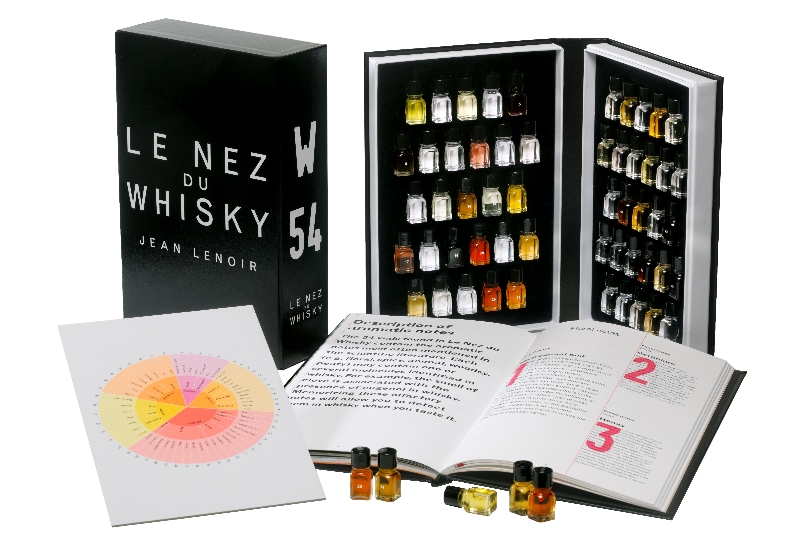
Bouquet is the smell and characteristic of wine, created during the post fermentation process and in the wine bottle itself. Aldehydes and esters are formed during the oxidation of the fruit acids and alcohol in the bottle. A bouquet takes time, actually years to develop. A matured good wine will have a complex bouquet. I have here listed a few aromas which are only developed during this process. The following classify as bouquet aromas: prune, mushroom, truffle, cedar*, liquorice*, leather, toast*, roasted almond, roasted hazelnut, caramel, coffee, dark chocolate and smoke* to name a few. For more information about aromas, please see the works of Jean Lenoir and his must have world renowned Le Nez du Vin kits.
A diligent wine critic will usually not use the word bouquet on young immature wines, unless it is of an exceptional vintage and has already started to show its bouquet prematurely.
*typical aromas which develop when the wine was aged in new oak barrels prior to bottling.
Cheers!
Posted in Tips & FAQs | Print | No Comments »
Vox Wine Lounge blind tasting
29. February 2008 by Sebastien Gavillet.
Two blind tasting in one day is almost too good to be true.
Willy S. of Aureole, Las Vegas organizes every other Tuesday night a blind wine tasting session for industry people. The tasting is composed mostly of sommeliers or MS, wine buyers and aficionados. The formula is pretty simple, a new venue for each tasting, and one type of grape varietal or wine style. Each participant must bring a bottle of the selected varietal or style. This particular event was hosted at the Vox Wine Lounge in Henderson, NV. Patrick Pretz, Vox’s sommelier was the host of this event and we owe him a great thank you for his wonderful hospitality.
This is the first time I participated in this style of tasting. I have participated in numerous blind tastings before; where we would share notes once we had finished examining the wines. Unlike regular blind tastings, here, each participant plays a distinct role examining, describing, and analyzing only one aspect of the wine. From there the next taster moves on to the next aspect of the wine. The participants each take turns critiquing a specific aspect of the wine, from color, nose (aromas & bouquet), taste (aromas), structure, assessing where the wine comes from, the vintage and finally its producer.
This might all sound complicated, but is actually very entertaining and you learn abundantly when working in a group, sharing a wealth of knowledge. To show my point, out of the 14 wines sampled, the group was able to pinpoint 95% of the wine geographically. Of those 95%, 50% to a region or area, 20% to an AOC or AVA and 15% to the actual producer. 60% of the time, the vintage was correct. The only 2 wines we failed to place were a Pinot Noir Cava (sparkling wine) from Argentina and a Pinot Noir from the Loire Valley in France. This further validates my opinion that one always learn more about a wine’s characteristics when discussing it openly with other tasters. The next tasting will be hosted on Tuesday March 11th, 2008 at Marche Bacchus in Summerlin. The grape varietal for the tasting will be Chardonnay, and the wine can come from anywhere in the world. Be creative and bring something everyone can enjoy. Cheers!
Posted in Wine Tastings | Print | No Comments »
Dieberg & Star Lane blind tasting
29. February 2008 by Sebastien Gavillet.
Nevada Wine Agents presented a California blind tasting at Company American Bistro, located inside the Luxor Hotel, Las Vegas. What a beautiful location and my compliments to the chef on preparing us such mouth watering hors d’oeuvres. Dieberg & Star Lane Vineyards organized the event, featuring 5 well known Californian Cabernets. The purpose of this tasting was of course to promote their wines and show that their wines can stand up against some of California’s most “reputed” wineries.With about 20 sommeliers and wine industry tasters participating, the Star Lane Cabernet Sauvignon 2005, ranked 2nd. Hourglass Cabernet 2004 ranked 1st, Caymus 2003 ranked 3rd, 100 Acres 2004 ranked 4th and Opus One 2003 ranked 5th. On a price/quality ranking, Star Lane ranked 1st. At a third of the price of the other wines tasted, the Star Lane Cabernet Sauvignon makes for a great buy. Now on a more personal level, when blind tastings are performed to compare wine of the same varietal and region, I like to see a more horizontal tasting. All of the wine featured should have been of the same year as Star Lane’s or 2005 in my opinion.
Cheers!
Posted in Wine Tastings | Print | No Comments »